Garage Door Panel & Section Replacement
A car bump, a hailstorm, a basketball, a fallen limb — panels take the hits so the house doesn’t. The good news most homeowners don’t know: sectional doors are modular, and a single damaged section can usually be replaced without buying a whole new door.
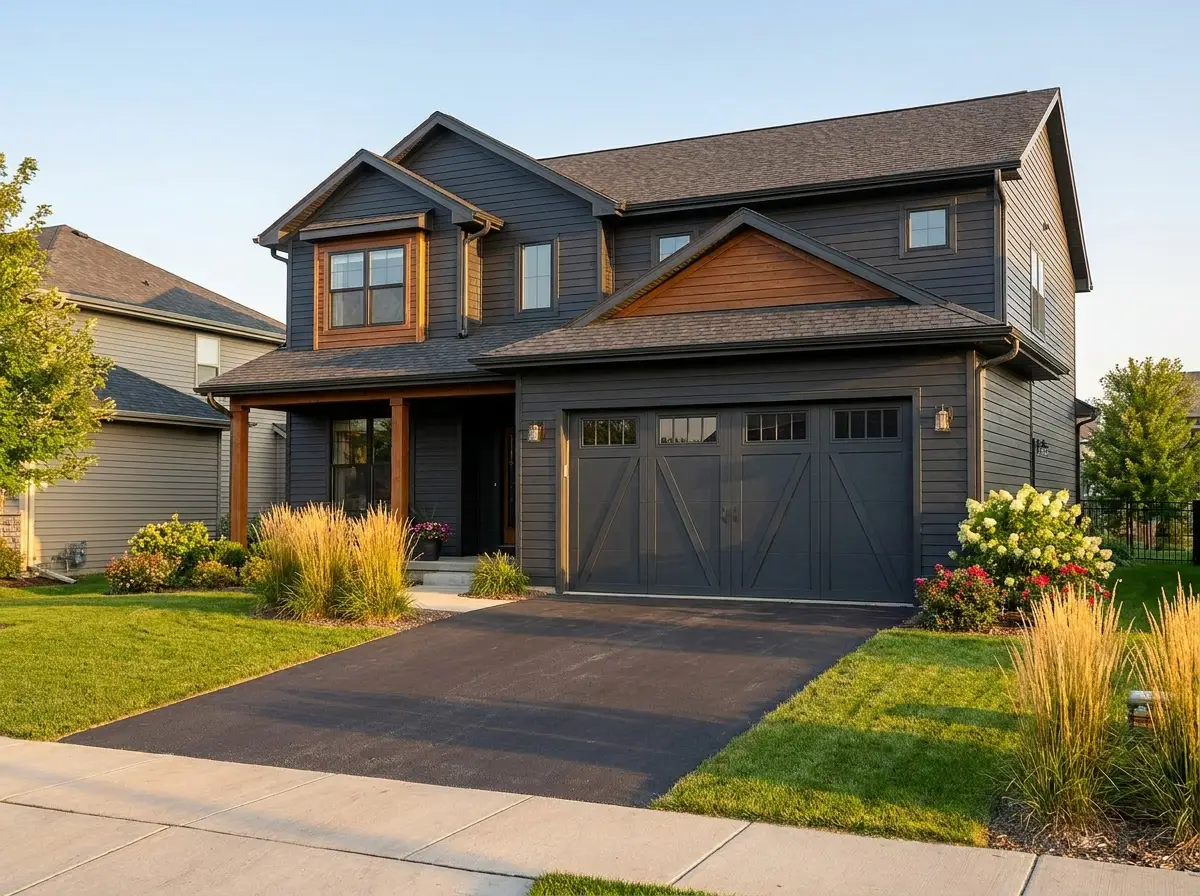
When one panel can be replaced — and when it can’t
Sectional doors are built from independent horizontal sections joined by hinges, which is what makes single-panel replacement possible: order the matching section, transfer the hinges and rollers, done. The catch is the word *matching*. Panels must match the door’s exact model, gauge, profile, and color — and manufacturers discontinue styles constantly. For doors under roughly 10–15 years old, matches are usually available; for older or builder-orphaned doors, a match may not exist, and a mismatched panel looks worse than the dent did.
Structural questions matter as much as cosmetic ones. A bottom section with a bent stiffener, a cracked end stile, or damage at the hinge line is carrying load wrong, and that stresses the sections above it. A good tech assesses whether the damage is skin-deep or structural before quoting either path.
Repair, replace the panel, or replace the door? The honest math
The decision tree experienced techs actually use:
- Small dents, cosmetic only, door operates smoothly — live with it or try paintless-style dent work; spend nothing structural.
- One damaged section, matching panel available, rest of the door sound — replace the section ($250–$800 installed). The clear win.
- Two or more damaged sections — the math usually crosses over: 2–3 panels installed approaches 60–80% of a new builder-grade door with new tracks, springs, and warranty.
- Panel discontinued, door 15+ years old, or hail peppered the whole face — full replacement, and if a storm caused it, this is an insurance conversation (we document for adjusters).
- Bottom section damaged — replace, don’t patch: it carries the cable brackets and takes the most structural load.
Hail, insurance, and panel claims
In hail metros (Dallas–Fort Worth, Denver, Aurora, Plano, Frisco), panel damage is the most common door insurance claim there is. Two things to know: policies typically allow about a year to file, and adjusters distinguish cosmetic from functional damage — dents that compromise panel rigidity, struts, or weather seal are functional. Get a written assessment that documents which is which; our network companies produce adjuster-format documentation routinely. And when insurance is paying, that’s the moment to upgrade to 25-gauge or composite panels that shrug off the next storm.
What panel replacement costs
Installed national ranges per section: builder-grade steel $250–$450; insulated steel $350–$600; premium triple-layer, carriage-house, or windowed sections $500–$800+. Color-matched factory finishes avoid repainting; slightly faded surrounding panels are normal and weather in within months. The visit includes transferring hinges and rollers, checking track alignment (whatever dented the panel often nudged a track), and rebalancing if the new section changes door weight.
Per section, installed, when a matching panel is available. Multiple panels or discontinued doors shift the math toward full replacement. See your city’s page for local price ranges.
Panel Replacement — Common Questions
I backed into the door. Does the whole thing need replacing?
Usually not. If the impact caught one or two sections and the tracks survived, section replacement at $250–$800 per panel restores the door — assuming a matching panel exists for your model. The assessment to insist on: hinge lines, end stiles, and track alignment, because impact damage hides there. If only the skin is creased and the door runs smooth, you can even defer cosmetics entirely.
Will a new panel match my faded door?
Close but rarely perfect on day one. The replacement arrives in factory finish while your door has years of UV exposure — the new section reads slightly brighter for a few months, then weathers toward the rest. White and light colors blend fastest; dark colors in high-UV metros (Phoenix, Denver) show the difference longest. If matching matters a lot, painting the full door after the panel swap gets a uniform finish for a few hundred dollars.
Hail dented every panel but the door works fine. Is that just cosmetic?
Maybe — and the distinction is worth money. Widespread dents can reduce panel rigidity, compromise struts, and break paint adhesion (rust follows), which adjusters classify as functional damage and cover. A written professional assessment that documents each panel is what moves a claim. With most policies allowing about a year for hail claims, document now even if you repair later.
My door model was discontinued. What are my options?
Three paths: some manufacturers can still produce legacy sections on order (slow, sometimes pricey); a salvage match occasionally exists through door dealers; or you cross into replacement math. If two or more panels are damaged on a discontinued door, replacement almost always wins — and you exit with new tracks, springs, insulation options, and a warranty rather than a patched orphan.
Can I keep using the door while waiting for the replacement panel?
Often yes, if the tech clears it: skin-deep damage on a mid or top section usually leaves the door safe to operate gently. Structural damage — bottom section, hinge lines, anything making the door bind — means parking it until the panel arrives, and the tech can usually secure it closed or safely operable manually. Panels typically arrive in 3 days to 3 weeks depending on the manufacturer.
Panel Replacement Where You Live
Local pricing, local conditions, and a vetted pro for your area:
- Panel Replacement in Chicago, IL
- Panel Replacement in Houston, TX
- Panel Replacement in Phoenix, AZ
- Panel Replacement in Dallas–Fort Worth, TX
- Panel Replacement in Charlotte, NC
- Panel Replacement in Denver, CO
- Panel Replacement in Atlanta, GA
- Panel Replacement in Mesa, AZ
- Panel Replacement in Miami, FL
- Panel Replacement in Aurora, CO
- Panel Replacement in Plano, TX
- Panel Replacement in Chandler, AZ
- Panel Replacement in Gilbert, AZ
- Panel Replacement in Frisco, TX
- Panel Replacement in McKinney, TX
- Panel Replacement in Fort Lauderdale, FL
- Panel Replacement in Naperville, IL
- Panel Replacement in Pearland, TX
- Panel Replacement in Pompano Beach, FL
- Panel Replacement in Sugar Land, TX
- Panel Replacement in Alpharetta, GA
- Panel Replacement in Huntersville, NC
- Panel Replacement in Marietta, GA
- Panel Replacement in Katy, TX
Ready to get it fixed?
One free call connects you with a vetted local garage door pro.